
How a Scammer Almost Robbed from an Engineer in Qatar as Magrobbi 🇲🇦
Understanding the sophisticated social engineering attack that nearly drained a victim's bank account. This scam came dangerously close to succeeding. Learn the exact method so you can protect yourself and others.
⚠️ Critical Point: The One Rule That Saved This Victim
The victim refused to share the OTP code. Banks and legitimate services NEVER ask for OTP codes. Your verification code is yours alone. The victim's official Microsoft Certified: Azure Solutions Architect Expert certification taught them this simple rule—and it prevented financial loss.

Official Microsoft Certified: Azure Solutions Architect Expert certificate
✓ How The Victim Endured:
After 16 minutes of intense persuasion, the scammer failed to convince the victim to share the OTP. The victim's knowledge and refusal left the scammer with no choice but to hang up—a hard swallow for an attack that came so close to succeeding.

Doha Bank — the target bank in the scam attempt
The Attack Method Explained
A detailed breakdown of how the scammer exploited trust and technology to execute the theft
🇸🇦 Intelligence Gathered During Interview
🕋 This data was obtained during a Microsoft Teams interview meeting with Sejel Technology Co. Ltd, the company the victim had offered to sign with the day before. The scammer had access to the victim's sensitive information because he was part of the leadership of Sejel Tech with the HR completely unaware:
- •QID Number (Qatar ID)
- •IBAN (Bank Account Number)
- •Phone Number - Not the one registered with the bank, but the victim's personal contact number
The scammer bet the victim might receive the OTP on this number or another number on the same device. The victim had a second number within the same iPhone, which was registered with the bank—this became the source of the OTP authentication.

Interview Meeting
Sensitive Info Leaked During Call
Scammer gathered QID, IBAN, and phone number
🇮🇳 The Fake Bank Manager Call
The scammer made a phone call claiming to be a manager named Mohammed Ahmedat the victim's exact bank (e.g., Doha Bank). He told the victim that they heard he was leaving Qatar and wanted to perform a money laundering verification.

What the scammer said:
"Hi, this is Mohammed Ahmed from Doha Bank. We heard you are leaving Qatar and we need to do a money laundering verification on your account. I'm here to help secure your account."
Why this worked:By knowing the victim's phone number, QID, and IBAN, plus the leaving-Qatar detail, the scammer built instant credibility. The victim thought the bank had called them.

Fake Qatari Call
Mohammed Ahmed - Doha Bank
Incoming Call from Ooredoo Qatar
Duration: 16 minutes
Ended by: Scammer (hung up)
How The Victim Escaped:
The victim refused to share the OTP. Thanks to their Microsoft SC-100 Cybersecurity Certification, the victim knew that legitimate banks never ask for OTP codes under any circumstances.
After 16 minutes of intense persuasion with illogical arguments, the scammer could not convince the victim to hand over the code. The victim's refusal left the scammer with no way forward.
The scammer had no choice but to hang up the call himself—a hard swallow for the attacker after investing so much time and effort. (One of the most hard spiritual swallows)
Caller ID Spoofed to appear as a local Qatari Ooredoo number
✓ The victim's cybersecurity knowledge saved them from financial loss
🇮🇳 The Fake Registration
The scammer instructed the victim: "We will do a register on the official National Address Database for you"
What the victim didn't know: The scammer directed HIMSELF to this official-looking website:

Platform update
Qatar's government has since moved the National Authentication System from NAS. Tawtheeq is now run through Hukoomi.
View the current Tawtheeq information pageThe setup (all performed by the scammer): The scammer already inputted an email address of his own (could be random), and then:
- 1.The scammer's email was already entered on the form
- 2.The scammer entered the same random email again for confirmation
- 3.The scammer entered the victim's actual phone number
Critical Detail:When the scammer submitted the form with the victim's phone number, the OTP was sent to the victim's phone. The scammer had this registration screen displayed on his own computer and could see the OTP submission process in real-time.
The Psychological Manipulation:
Before performing the registration, the scammer told the victim: "We will send you an OTP and you need to keep it safe and don't share it with me."
This created a false sense of security. The victim believed they were protecting something crucial, when in reality they were being primed to immediately share that exact OTP in the next phase as "money laundering verification."
Payment for the registration was made in SAR (Saudi riyals).
🇮🇳 The Ooredoo Money Account Takeover (Almost Successful)
This is where the scammer almost drained the victim's bank account via Ooredoo Money—but the attack was nearly completed.
The scammer used the victim's bank information with Ooredoo Money to gain access and attempt the theft:
- ⚠Access the victim's Ooredoo Money account using their IBAN and QID
- ⚠Initiate a deposit/transfer from the victim's BANK ACCOUNT to the scammer's target account
- ⚠Request the OTP code from the victim under the guise of "money laundering verification" - AFTER asking them to keep the tawtheeq code safe
The Final Con:
"Please provide the verification code for the money laundering check. The tawtheeq code you kept safe is for your protection."
The victim provides the OTP, thinking it's for the fake tawtheeq registration, but it actually confirms the bank transfer.
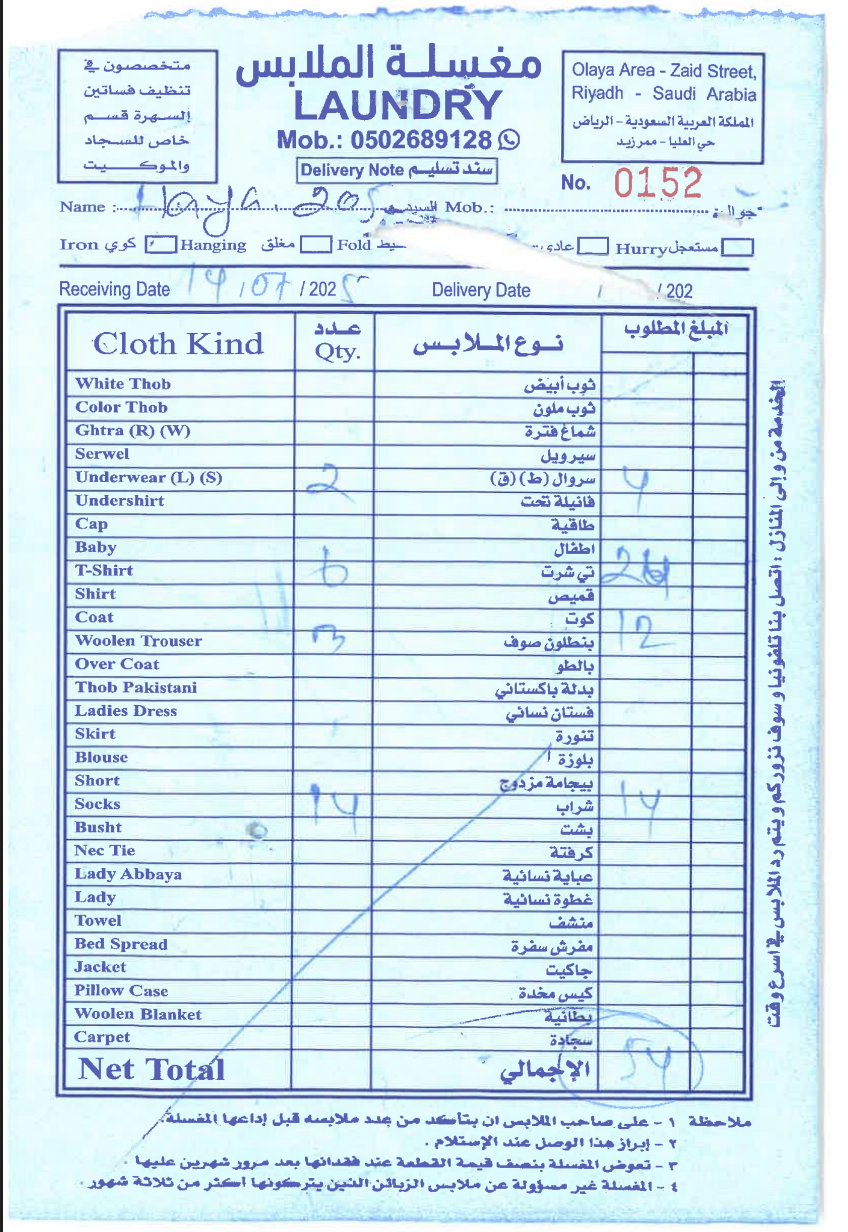
A laundry receipt from Riyadh—54 SAR for this. What a neat deal. (Hanging loading)
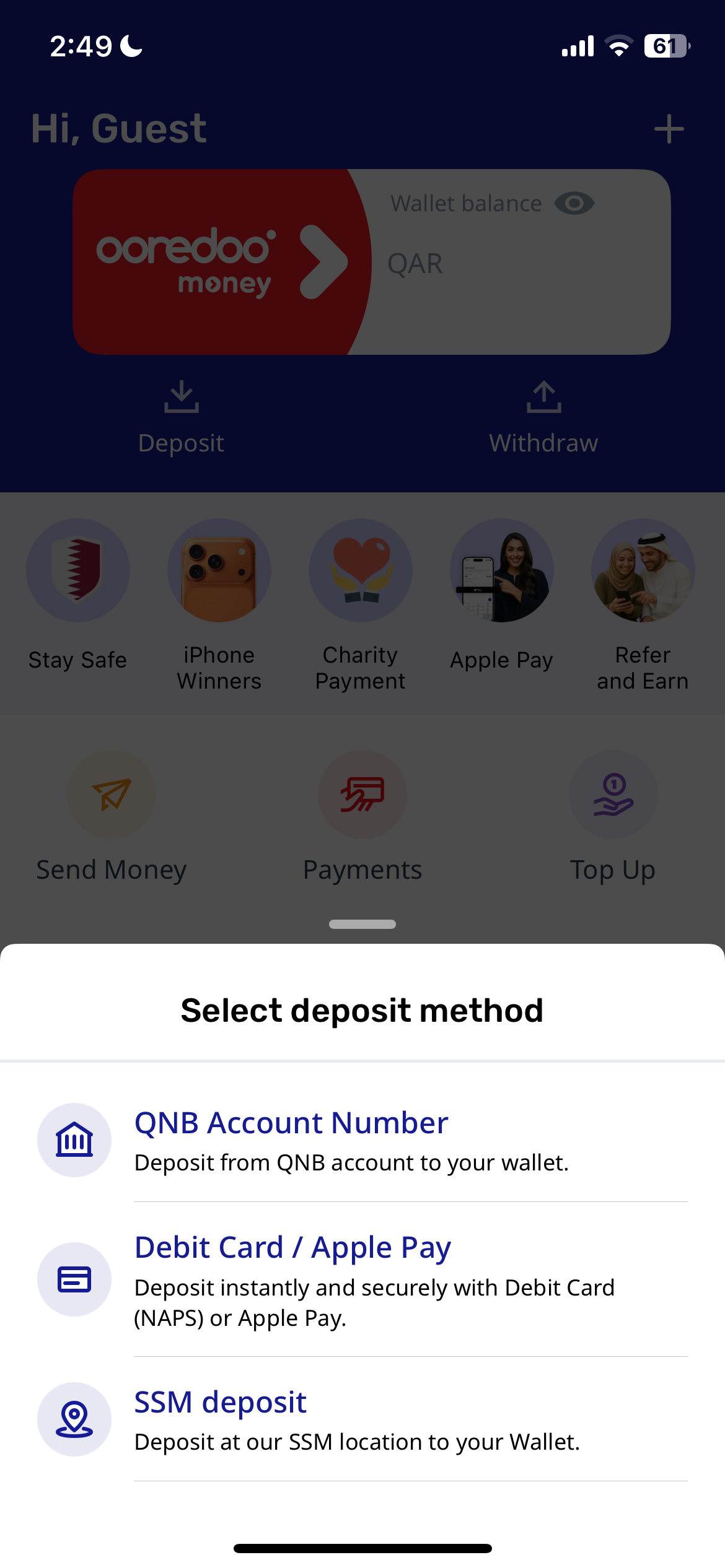
Ooredoo Money Interface - Gateway to Nearly Drain Account
When the victim almost shared the OTP, the scammer was ready to execute the transfer from the victim's bank account to his own. The attack was nearly successful.
The Attack Timeline
From initial contact to account drain in just minutes
Minute 1
The Call
Scammer calls posing as bank manager, mentions they know victim's account details
Minute 2-3
Registration Setup
Victim is guided to register on official government website (nas.gov.qa)
Minute 4-5
OTP Request
Victim receives OTP for "verification", scammer asks for the code
Instant
Account Drained
OTP code unlocks the Ooredoo Money transfer, account balance goes to zero
Critical Point: The victim REFUSED to share the OTP code. Banks and legitimate services NEVER ask for OTP codes. Your verification code is yours alone.
Red Flags to Recognize
Learn to spot the warning signs that indicate a scam attempt
Banks Never Call First
Legitimate banks don't initiate security calls. If they do, hang up and call the bank directly using the number on your card.
Knowing Your Account Details
A "bank manager" knowing your QID, IBAN, and phone doesn't prove legitimacy. This information can be breached from many sources.
OTP is Confidential
Never share OTP codes via phone, email, or any communication. A bank will NEVER ask you for it.
Urgency and Pressure
Scammers create urgency: "Act now!", "Your account is at risk!", "Do this immediately!". Take time to verify.
Multiple Verification Steps
The scammer had the victim register on a government website (legitimate looking) before attempting to steal. This created false trust and nearly resulted in account drain.
Money "Verification" Claims
Statements like "anti-money laundering verification" or "money laundering check" for codes are red flags. This scam nearly worked because the victim almost believed it.
Asking You to Keep Secrets
If someone says "don't tell your bank" or "keep this conversation private", they're a scammer.
Too-Good-to-Be-True Offers
Rewards, refunds, or unexpected benefits that require your verification codes are scams.
What to Do if You Receive a Suspicious Call
- 1. Hang up immediately. Don't continue the conversation.
- 2. Never share codes - OTP, verification codes, or any numeric codes.
- 3. Call your bank directly using the number on your card or official website.
- 4. Report the scam attempt to your bank and local authorities.
- 5. Monitor your account for unauthorized transactions.
How to Protect Yourself
Comprehensive strategies to prevent becoming a victim of financial fraud
Protect Your Personal Data
- ✓Never share QID, IBAN, or passport numbers via phone or email
- ✓Use strong, unique passwords for all financial accounts
- ✓Enable two-factor authentication on all important accounts
- ✓Regularly check your credit report for unusual activity
Bank Security Best Practices
- ✓Your bank will never ask for OTP codes over the phone
- ✓Always verify calls by hanging up and calling the bank directly
- ✓Use official banking apps only (download from official stores)
- ✓Keep your banking app and phone updated with latest security patches
Verify Before You Act
- ✓If a "bank" calls, hang up and call your bank using the number on your card
- ✓Check your bank statements regularly for unauthorized transactions
- ✓Never click links in suspicious emails or texts from your bank
- ✓Visit the official website directly instead of using provided links
Stay Alert & Informed
- ✓Enable SMS alerts for all bank transactions
- ✓Subscribe to fraud alerts from your bank
- ✓Educate friends and family about common scam tactics
- ✓Report suspicious activity immediately to your bank
For Businesses & Organizations
- ✓Train employees on social engineering and phishing attacks
- ✓Implement strict protocols for sharing sensitive information
- ✓Use multi-factor authentication for all accounts
- ✓Conduct regular security audits and vulnerability assessments
If You've Been Scammed
- ✓Contact your bank immediately and freeze the account
- ✓File a police report with details of the scam
- ✓Report to Central Bank of Qatar (CBQ)
- ✓Monitor your accounts closely for 6-12 months
Key Takeaway for Engineers & Tech Professionals
Tech professionals are high-value targets for scammers because they often have:
- •Higher bank balances
- •Better security awareness (may underestimate social engineering)
- •Information available in leaked datasets from major breaches
- •Professional trust in legitimate-sounding authority figures
Don't let technical expertise make you complacent about financial security.
Emergency Contacts (Qatar)
Central Bank of Qatar (CBQ)
+974 4413 3333
Qatar Police
999
Your Bank's Security Line
Use the number on the back of your card or official website
Report fraud immediately. Every minute counts.
Help Protect Your Community
This scam is actively targeting professionals in the Middle East. By sharing this information with friends, family, and colleagues, you can help prevent others from becoming victims.
⚠️ Critical Warning: Don't trust even people running umrah/hajj systems and wearing kandura. Scammers impersonate anyone to gain your trust.
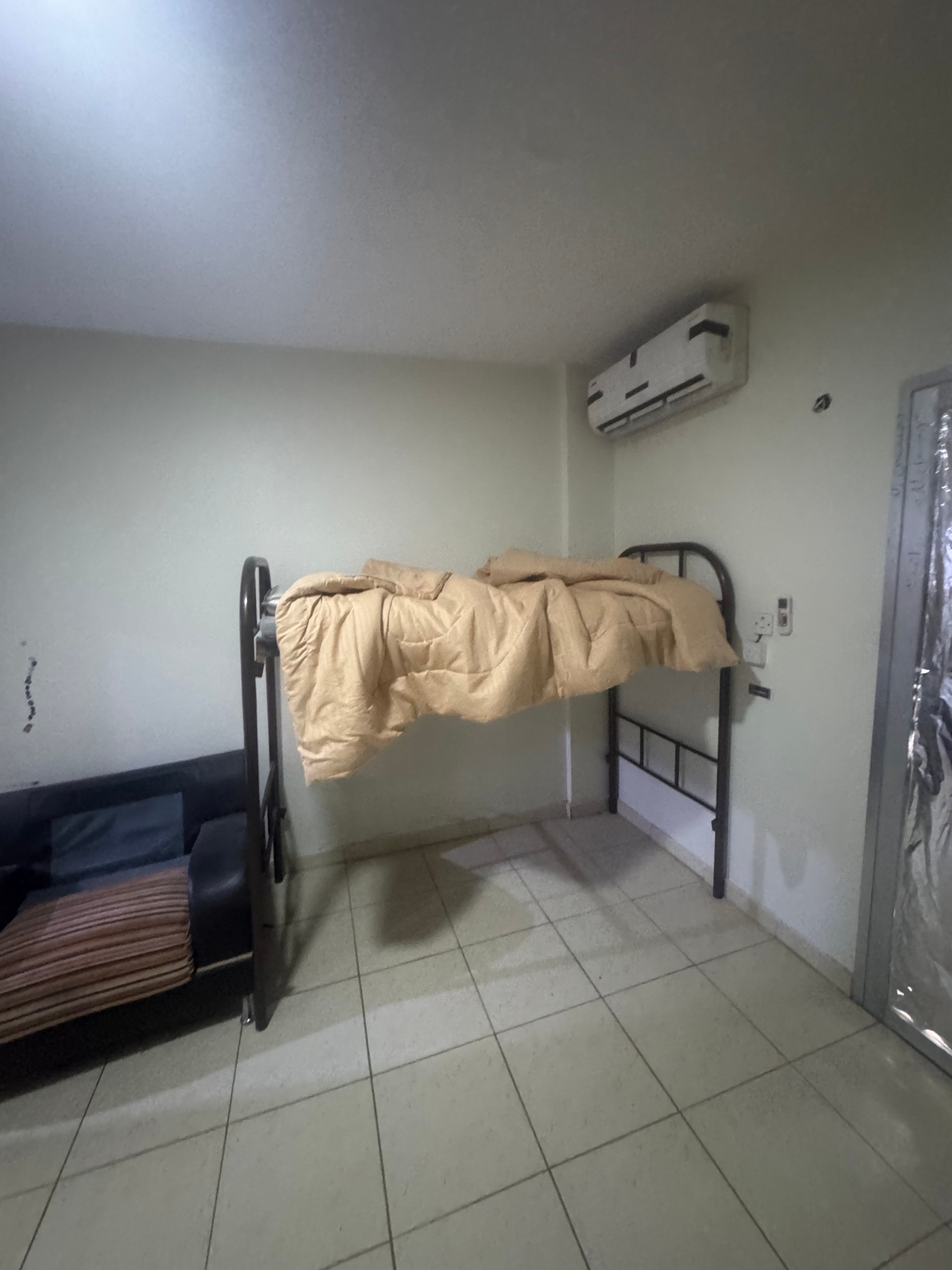
🔒 A colleague's recommendation: Abu Salim recommended this type of apartment for a long stay.
sejel > sejen
Share This Case Study With:
👥 Your Network
Friends and family who use banking apps
🏢 Your Workplace
Colleagues and HR teams for security training
🎓 Communities
University groups and professional networks
Full Story on LinkedIn
Deep-dive posts exploring the attack, the resilience, and the lessons that can protect you
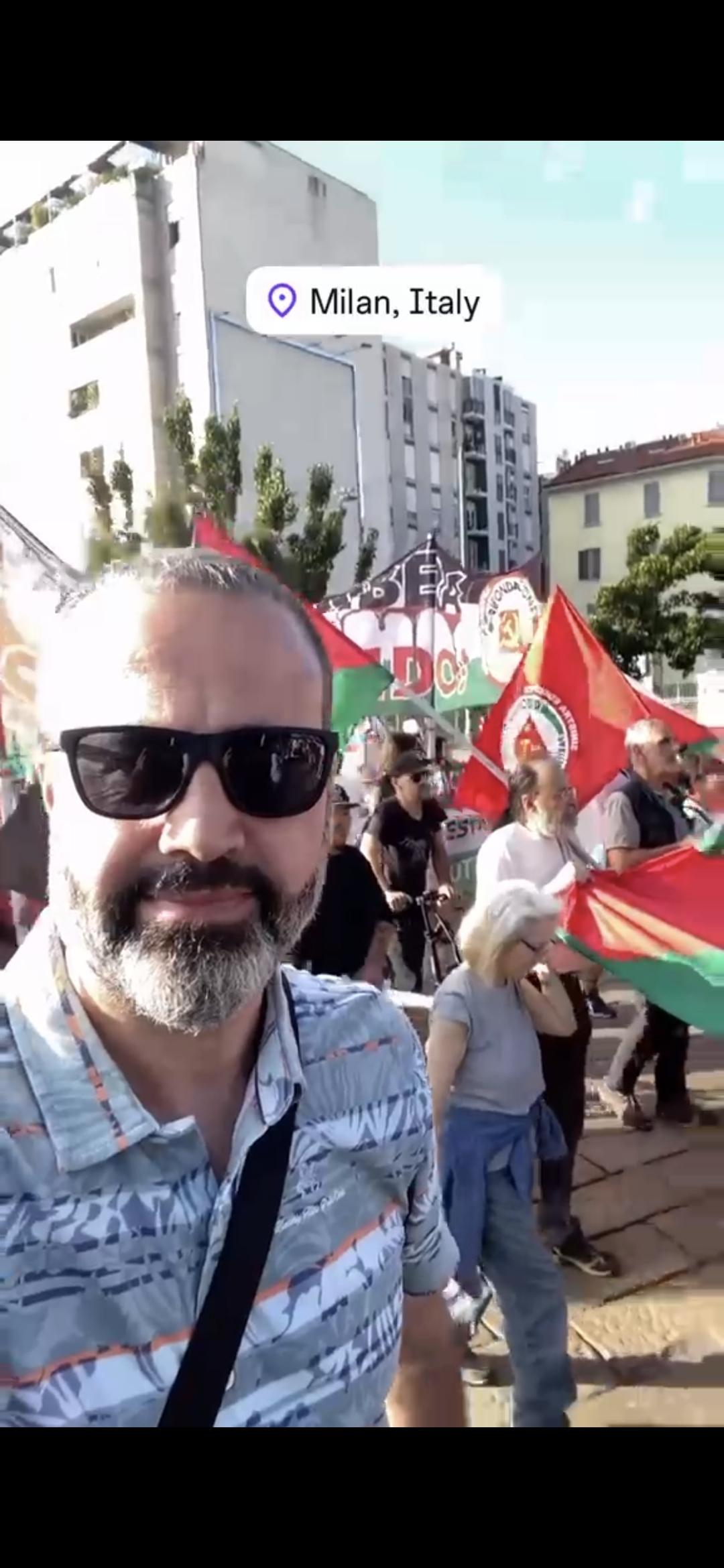

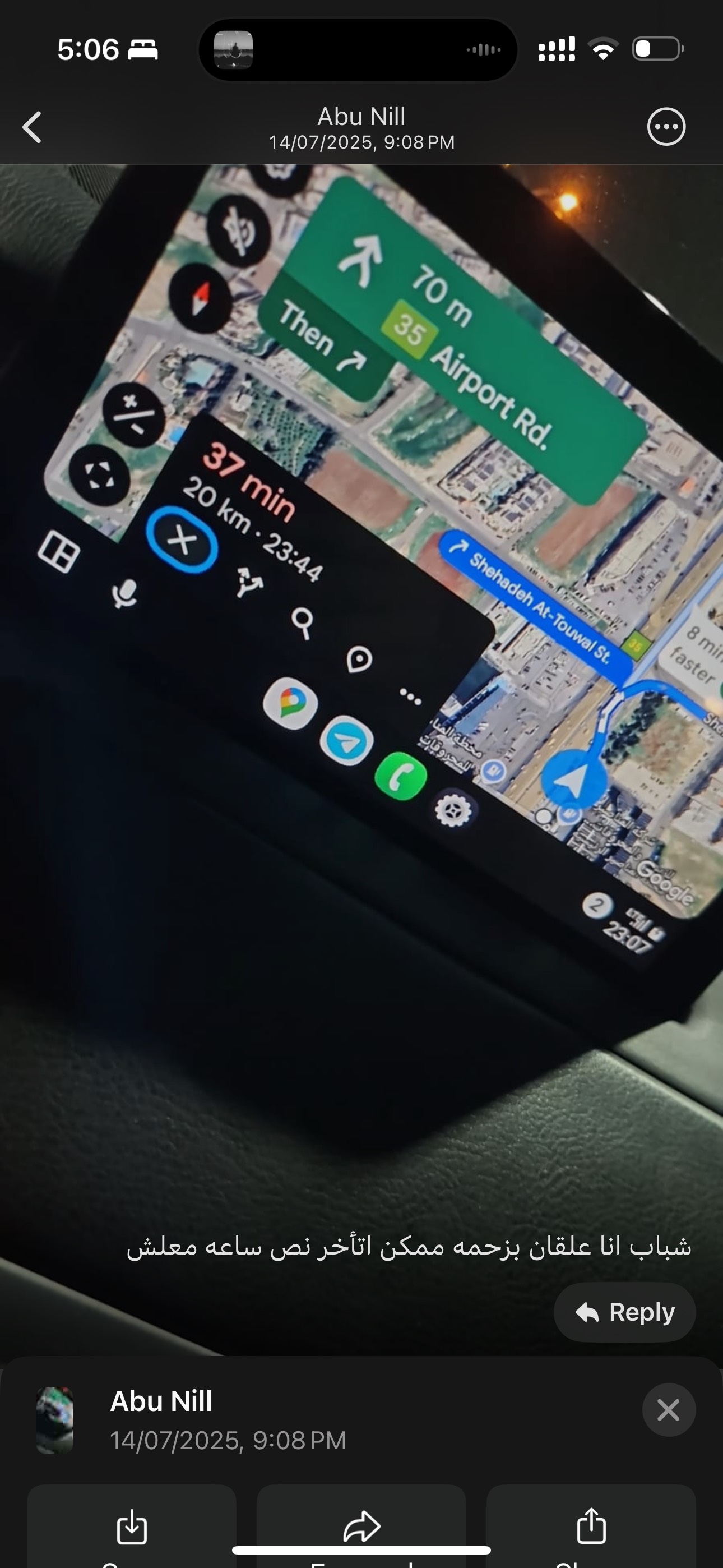
The Attack Story
How the scam unfolded and what happened during the 16-minute call
The Resilience Journey
How the victim transformed near-loss into extraordinary achievements
The Lessons Learned
Critical security insights and how to protect yourself from similar attacks
Follow for more insights on cybersecurity, social engineering awareness, and professional resilience in the digital age.
Resilience Outcomes
From a moment of vulnerability came extraordinary growth and achievement
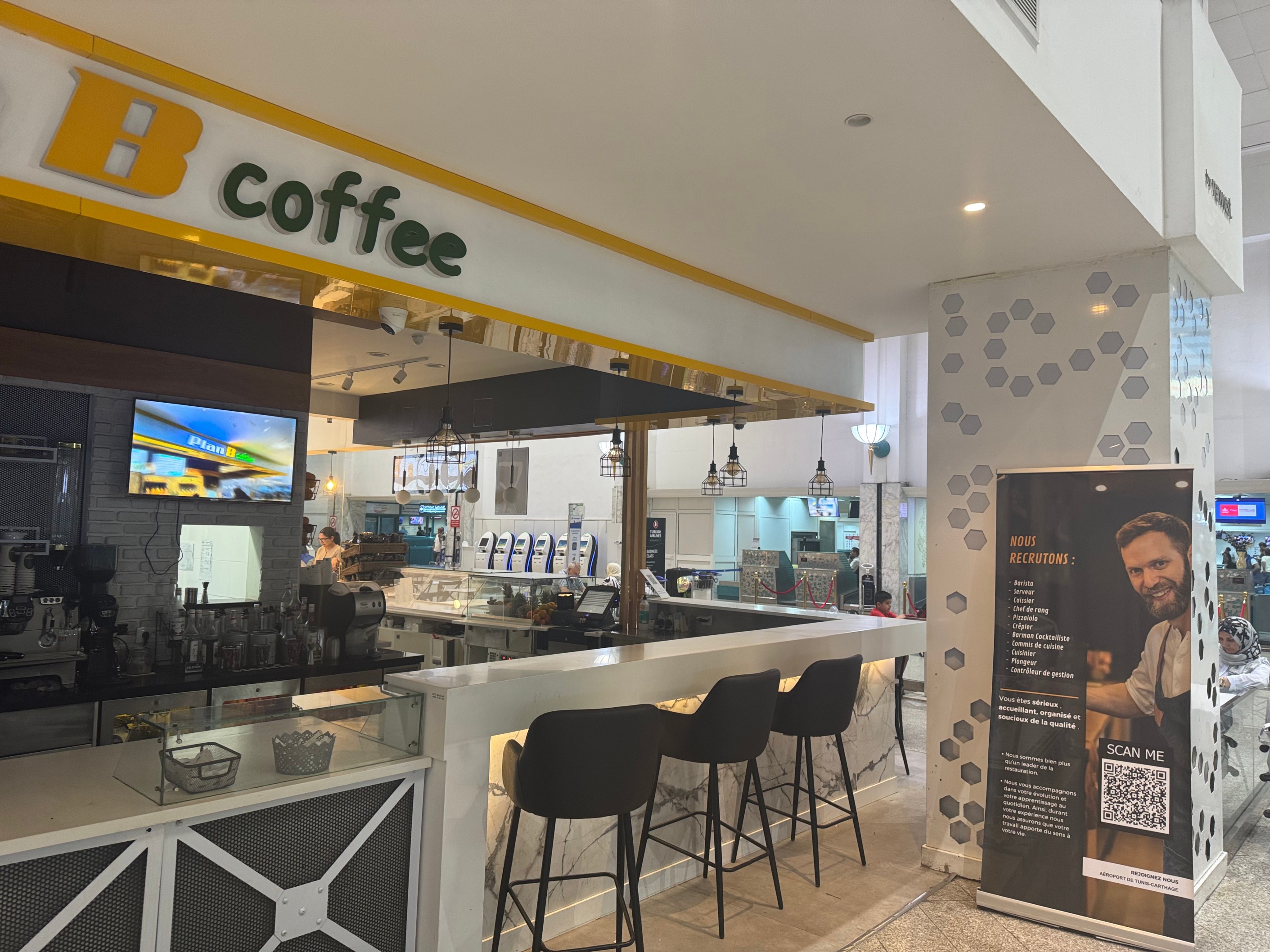
A new chapter built through protected opportunity and strategic investment.
Financial Resilience Through Strategic Investment

Rather than succumbing to the attempted theft, the victim leveraged their protected financial security to build something meaningful. They invested strategically to sustain an Airbnb venture, transforming a moment of near-loss into a foundation for sustainable income and entrepreneurial growth.
Professional Achievement & Government Recognition
Through persistence and integrity, the victim earned a comprehensive professional contract stamped and verified by prestigious institutions:

Saudi Ministry of Foreign Affairs
Chamber of Jeddah
Supporting professional documentation
- ✓Saudi Ministry of Foreign Affairs - Governmental endorsement
- ✓Chamber of Jeddah - Commercial chamber certification
- ✓HRSD & HR Department - Human resources and labor ministry approval
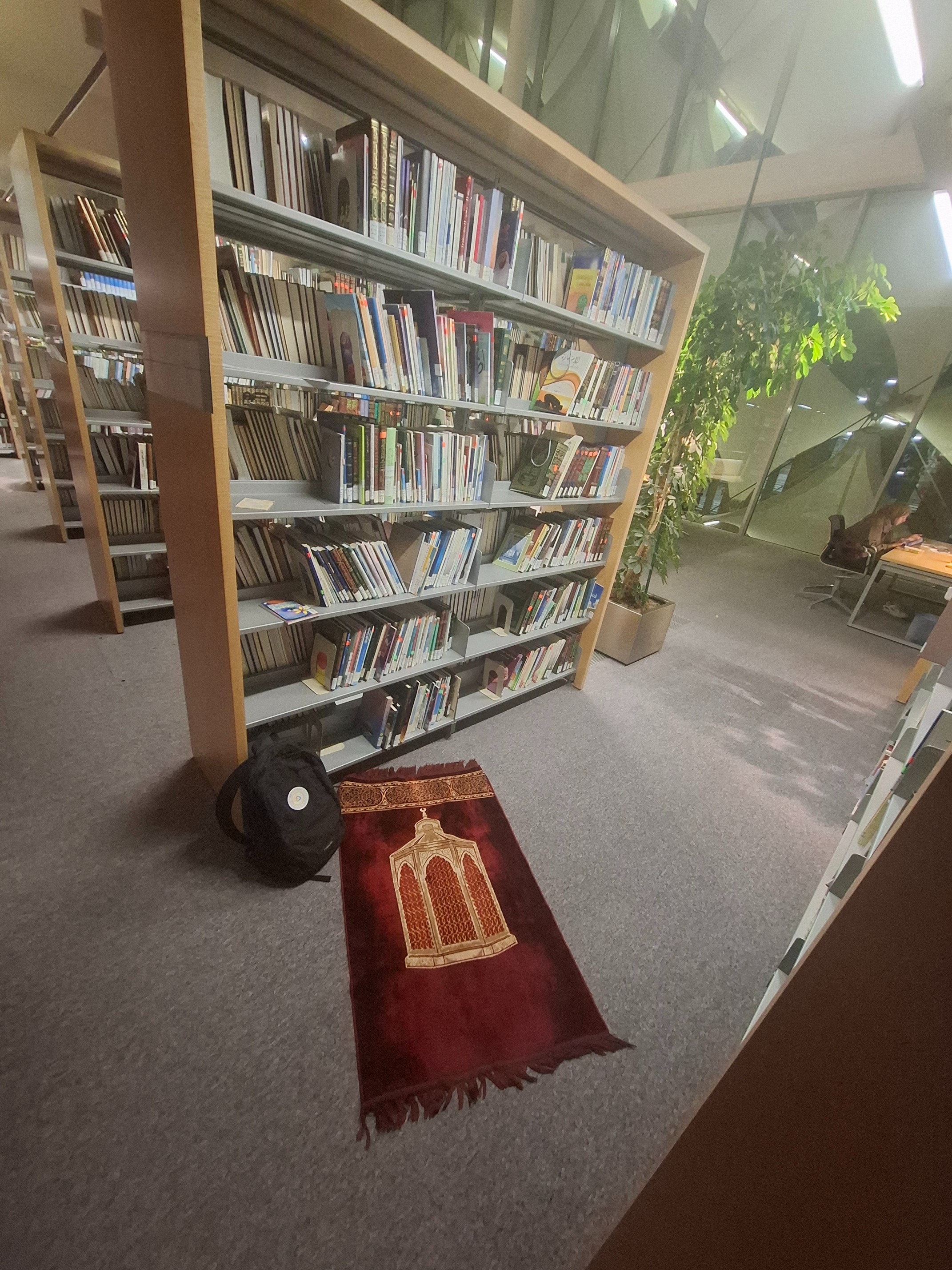
Time for Prayer, Meditation, and Gratitude
A quiet moment of prayer and reflection at King Fahd Library—making space for gratitude to Allah and trust in His plan.
Legal Documentation & Visa Success
The victim systematically renewed and fortified their legal documentation across government systems, enabling a seamless transition:

Renewed legal documentation

KSA work visa documentation
- ✓Renewed legal documents across multiple government systems
- ✓Successfully obtained an official work visa
- ✓Secured travel documentation and passage
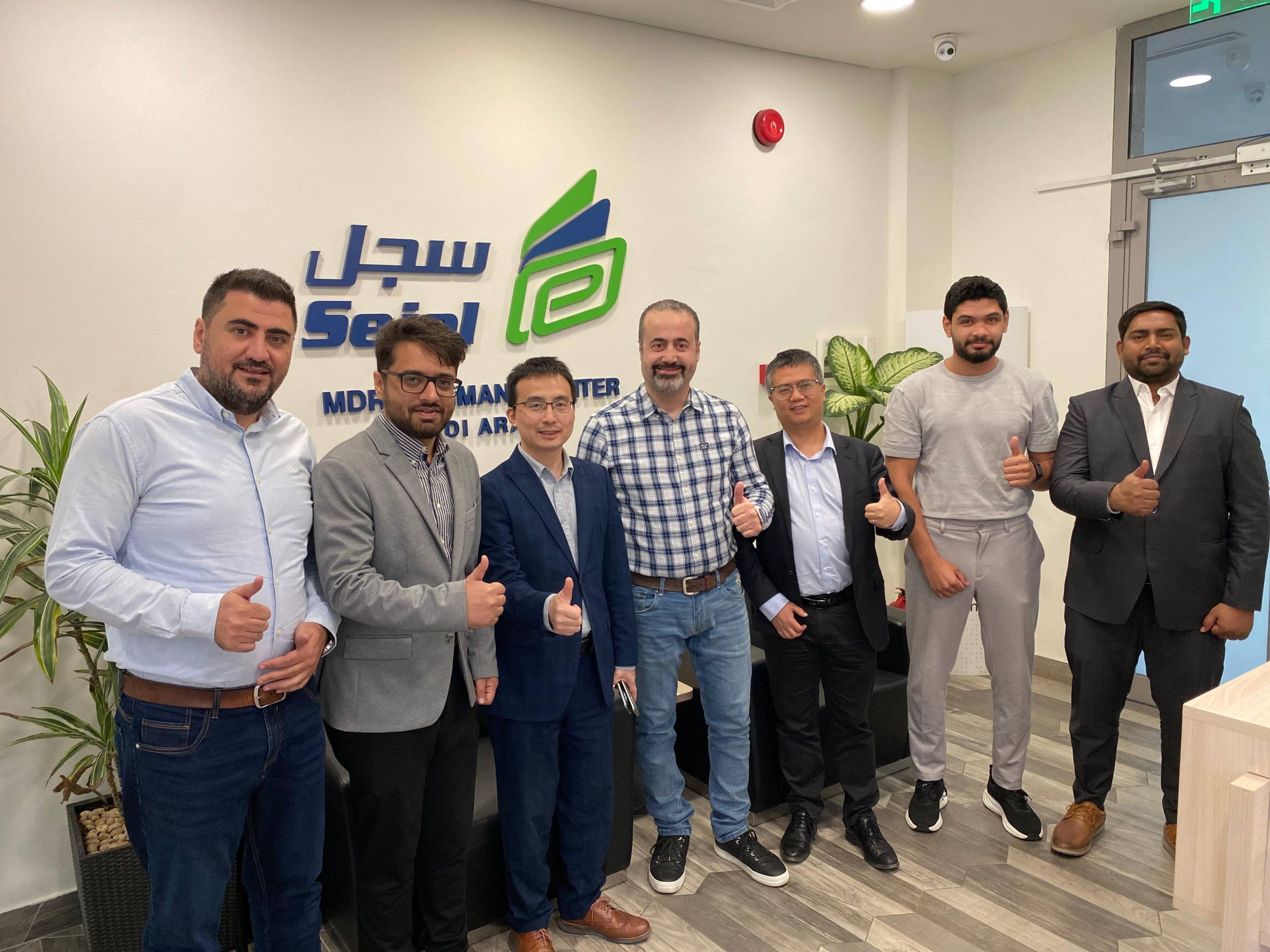
Career Growth & Regional Collaboration
Career growth through collaboration with our Sejel team and Huawei Cloud Middle East, contributing to deep storage infrastructure and the growth of cloud capacity in the region.
The collaboration also included presenting some of Huawei's latest foldable mobile phones—connecting regional cloud innovation with emerging consumer technology.
Spiritual Fulfillment
In the ultimate expression of resilience and faith, the victim completed the sacred journey—performing Umrah with clarity of purpose and grateful heart.

A sacred moment at the Kaaba during Umrah.
What began as a threat became a testament to the power of knowledge, determination, and spiritual grounding.
Ministry of Hajj and Umrah
This is the true measure of resilience: not merely surviving an attack, but thriving in its aftermath.